How to Plan a Direct Mail Campaign in Australia
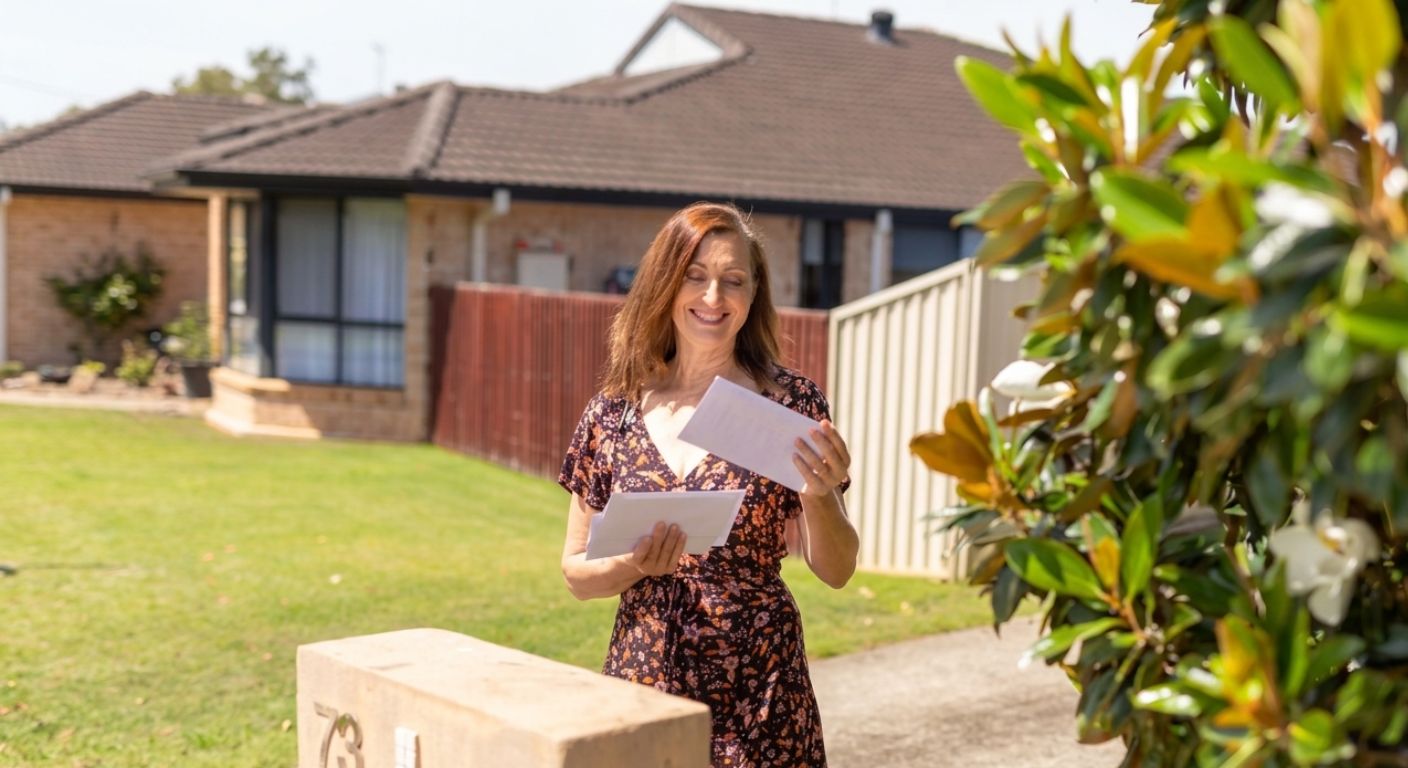
Direct mail consistently outperforms many digital channels for response rates and brand recall. In Australia, physical mail commands attention and trust that a crowded inbox simply cannot match, particularly for government communications, financial services, healthcare, and not-for-profit fundraising.
But a direct mailcampaign involves more moving parts than most marketing managers expect. Getany one of them wrong, including your data, your print specifications, or yourAustralia Post compliance requirements, and you can waste a significant budgetwithout reaching the people you intended to.
This guide walks you through every step of planning and executing a direct mail campaign in Australia, from setting your objectives through to measuring results.
Step 1: Define your campaign objectives
Before you think about artwork, envelopes, or postage rates, you need to be clear about what you want your campaign to achieve. Direct mail can serve a range of purposes, and your objective will shape every decision that follows.
Common objectives for direct mail campaigns in Australia include:
- Driving response or conversion, such as event registrations, donations, appointment bookings, or product orders
- Communicating mandatory or compliance information, such as rate notices, policy updates, or regulatory correspondence
- Retaining existing customers or members through renewal notices, loyalty programs, or thank-you communications
- Generating awareness in a defined geographic area or among a specific audience segment
- Supporting a multi-channel campaign by reinforcing a message delivered through email, social media, or digital advertising
Set a measurable target for your campaign before you begin. Whether that is a response rate, a number of conversions, or a cost per acquisition, having a clear benchmark makes it possible to evaluate your results and improve future campaigns.
Step 2: Know your audience and build your list
The single biggest determinant of a direct mail campaign's success is the quality of the list you mail to. An outstanding piece of creative sent to the wrong people produces no results. A modest design sent to the right people with a relevant message can deliver exceptional returns.
Using your existing database
If you are mailing to existing customers, members, or constituents, start with your own database. Before you do anything else, your list needs to be cleansed and validated. This means checking addresses against Australia Post's address file, removing duplicates, correcting formatting errors, and suppressing any contacts who have opted out of mail communications.
A professional mail house will handle this process for you as part of their data management service. Proper address cleansing is also required to qualify for Australia Post's bulk mail rates, so it is both a quality and a cost consideration.
Targeting new audiences
If you are prospecting to reach new customers or households, you have two main options in Australia. Addressed mail to a purchased or rented list lets you target specific demographics, postcodes, or industry sectors. Unaddressed mail, delivered through Australia Post's Unaddressed Mail service, reaches all households or businesses within a selected geographic area without requiring individual addresses.
The right approach depends on your product, your geography, and the precision required. For broad local reach, unaddressed mail is efficient and cost-effective. For targeted communications to a defined segment, addressed mail with a well-qualified list will typically deliver a stronger return.
Accessible formats
For government agencies and healthcare providers communicating with the general public, consider whether any recipients may require accessible formats. Flagstaff can produce Braille versions of mail campaign materials for vision-impaired recipients, ensuring your campaign meets accessibility obligations.
Step 3: Plan your creative and format
The format of your mail piece will affect both its impact and its cost. Key decisions at this stage include:
Mail piece type
The most common formats for direct mail in Australia are letters (folded and inserted into envelopes), self-mailers (a folded piece that mails without an envelope), and postcards. Each has different cost, production, and response rate characteristics.
- Letters feel personal and are well-suited to communications that require detail, context, or a formal tone
- Postcards are high-impact and low-cost, ideal for promotions, reminders, event invitations, and short messages
- Brochures and self-mailers work well for product introductions, service overviews, and catalogue-style communications
- Flyers inserted into envelopes alongside a letter add detail without increasing the size of the primary piece
Personalisation
Variable data printing allows you to personalise each piece with the recipient's name, address, account details, or tailored messaging. Personalisation consistently lifts response rates and is straightforward to implement when your list is well-structured. If personalisation is part of your plan, discuss this with your print and mail provider early so the file specifications are set up correctly from the start.
Print specifications
Work with your print provider to confirm size, paper weight, finish, and colour requirements before artwork is produced. Print-ready files should be supplied as high-resolution PDFs with bleed and crop marks included. Your mail house will confirm the exact specifications required for the format and postage category you are using.
Step 4: Understand Australia Post requirements
This is the step that catches many first-time direct mail senders off guard. Australia Post has specific requirements for mail items to qualify for bulk lodgement rates, and non-compliant items will either be rejected or charged at a higher rate.
Minimum volumes
Australia Post's bulk mail service is available for lodgements of 300 or more items. If your campaign is below this threshold, items will be processed as standard letter mail at a higher per-item cost.
Addressing format
Addresses must be formatted correctly in accordance with Australia Post's addressing standards. This includes the correct placement of suburb, state, and postcode, as well as specific formatting for unit and street addresses. Your mail house's data-cleansing process will ensure that addresses meet these requirements.
DPID barcoding
Every item in a bulk mail lodgement must carry a DPID (Delivery Point Identifier) barcode, which is a unique identifier linked to each delivery address in Australia. DPID barcodes are applied during the mail preparation process using approved intelligent barcoding technology. Working with an accredited Australia Post Bulk Mail Partner like Flagstaff ensures this is handled correctly as a matter of course.
Sorting
Bulk mail must be sorted by postcode before lodgement. Your mail house manages this process as part of the standard mail preparation workflow.
If you are unfamiliar with Australia Post's requirements, the simplest approach is to work with an experienced mail house from the outset. They will guide your campaign setup to ensure compliance and postage optimisation.
Step 5: Brief your print and mail partner
Once your objectives, audience, creative, and format are confirmed, it is time to engage your print-and-mail partner. A thorough brief at this stage prevents misunderstandings, avoids costly revisions, and keeps your campaign on schedule.
Your brief should cover:
- Campaign purpose and key message
- Total volume and any segmentation requirements
- Mail piece format, size, and specification
- Personalisation requirements and variable data fields
- Whether items require enclosures or multi-component inserting
- Postage category (standard or express, addressed or unaddressed)
- Required in-home delivery date and working back from that, your print and lodgement deadline
- Any accessibility format requirements, such as Braille
Flagstaff provides an end-to-end service covering database management, printing, mail preparation, and Australia Post lodgement. Briefing a single partner who manages the full process is significantly more efficient than coordinating a separate printer and mailing house.
Step 6: Proof, approve, and manage your timeline
Allow time in your schedule for proofing. For addressed campaigns, you should review a physical or digital proof of the mail piece before production commences, including any variable data elements. For personalised campaigns, check that the variable fields are populating correctly and that the layout holds across different name and address lengths.
A realistic timeline for a typical direct mail campaign in Australia, from finalised brief to in-home delivery, is generally two to four weeks, depending on volume, complexity, and postage category. Campaigns with custom inserts, specialised formats, or large volumes may require additional time. Discuss your deadline with your mail house at the briefing stage to confirm what is achievable.
Step 7: Integrate with your other channels
Direct mail performs best when it forms part of a coordinated multi-channel approach. A physical mail piece that lands around the same time as an email or digital ad creates multiple touchpoints and reinforces your message across channels.
Consider:
- Timing your mail campaign to arrive in the same week as your email send
- Using a consistent visual identity across your mail piece and digital creative
- Including a QR code or personalised URL on your mail piece to bridge the physical and digital response
- Running a social media retargeting campaign to people in the same geographic area or audience segment
Flagstaff can discuss timing and sequencing with your team to ensure your mail lodgement date aligns with the rest of your campaign schedule.
Step 8: Measure your results
One of the advantages of direct mail over some other channels is that response can be measured with reasonable precision, provided you plan for it in advance. Common tracking mechanisms include:
- Unique phone numbers or call tracking numbers included on the mail piece
- Unique landing page URLs or QR codes that allow you to attribute website visits and conversions to the campaign
- Unique promotional codes or offer codes that recipients use when responding or purchasing
- Reply-paid envelopes or response forms for campaigns where a physical response is expected
Compare your results against the objectives you set at step one. Track not just response rate but cost per response, cost per conversion, and, where possible, return on investment. These figures will allow you to optimise future campaigns and build a business case for ongoing direct mail investment.

Ready to plan your next direct mail campaign?
Flagstaff Print, Mail and Digital provides end-to-end direct mail services for government, corporate, and not-for-profit organisations across Australia. As an accredited Australia Post Bulk Mail Partner, we manage your entire campaign from data management and commercial printing through to DPID barcoding, mail preparation, and lodgement.
Our team will help you plan your campaign correctly from the start, ensuring compliance, cost efficiency, and on-time delivery. Whether you are running your first directmail campaign or looking for a more reliable partner for an established program, we are here to make the process straightforward.
Call us on 024272 0257 or contact our team online to discuss your campaign requirements. We will get back to you promptly with practical advice and a competitive quote.
And if your organisation has social procurement commitments, working with Flagstaff counts. We are a verified social enterprise and registered Australian DisabilityEnterprise. Learn more about our social procurement credentials.
Frequently asked questions
How much does a direct mail campaign cost in Australia?
The cost of a direct mail campaign depends on volume, format, personalisation requirements,and postage category. Key cost components include list cleansing and datamanagement, printing, mail preparation, and postage. Australia Post's bulklodgement rates apply for campaigns of 300 or more items and offer significantsavings over standard letter postage. Contact Flagstaff for a quote tailored toyour campaign specifications.
What is the minimum volume for bulk mail in Australia?
Australia Post's bulk mail lodgement service requires a minimum of 300 items per lodgement. Campaigns below this threshold are sent at the standard letter rate.
How long does a direct mail campaign take from start to delivery?
A typical direct mail campaign takes two to four weeks from a finalised brief to in homedelivery, depending on volume, format, and postage category. Campaigns with complex insertion or large volumes may require additional time. Discuss your deadline with your mail house at the outset to confirm what is achievable within your schedule.
What print formats work best for direct mail?
The best format depends on your campaign objective and budget. Letters suit detailed or formal communications. Postcards are high-impact and cost-effective for promotions and reminders. Brochures work well for service introductions or product overviews. Flyers can be inserted alongside a letter to add depthwithout increasing the primary piece size. Your mail house can advise on the most cost-effective format for your requirements.
What is DPID barcoding, and why does my mail need it?
DPID stands for Delivery Point Identifier. It is a unique barcode assigned to every delivery address in Australia, used by Australia Post's automated sorting systems to route mail accurately and efficiently. All items lodged through Australia Post's bulk mail service must carry a DPID barcode. An accredited Australia Post Bulk Mail Partner, such as Flagstaff, applies these barcodes as part of the standard mail preparation process.
Can I combine direct mail with email or digital advertising?
Absolutely. Direct mail performs particularly well as part of a multi-channel campaign. Timing a physical mail piece to arrive around the same time as an email or digital ad reinforces your message and creates multiple opportunities for response. Including a QR code or unique URL on your mail piece is a straightforward way to bridge physical and digital response tracking.
Can Flagstaff produce accessible format versions of my direct mail materials?
Yes. Flagstaff provides Braille transcription and printing services for vision-impaired recipients, which can be integrated into your direct mail campaign where accessibility obligations apply. This is particularly relevant for government agencies, healthcare providers, and financial services organisations communicating with the general public.